Simeon Griggs
What today's software owes to Bronze Age clocks
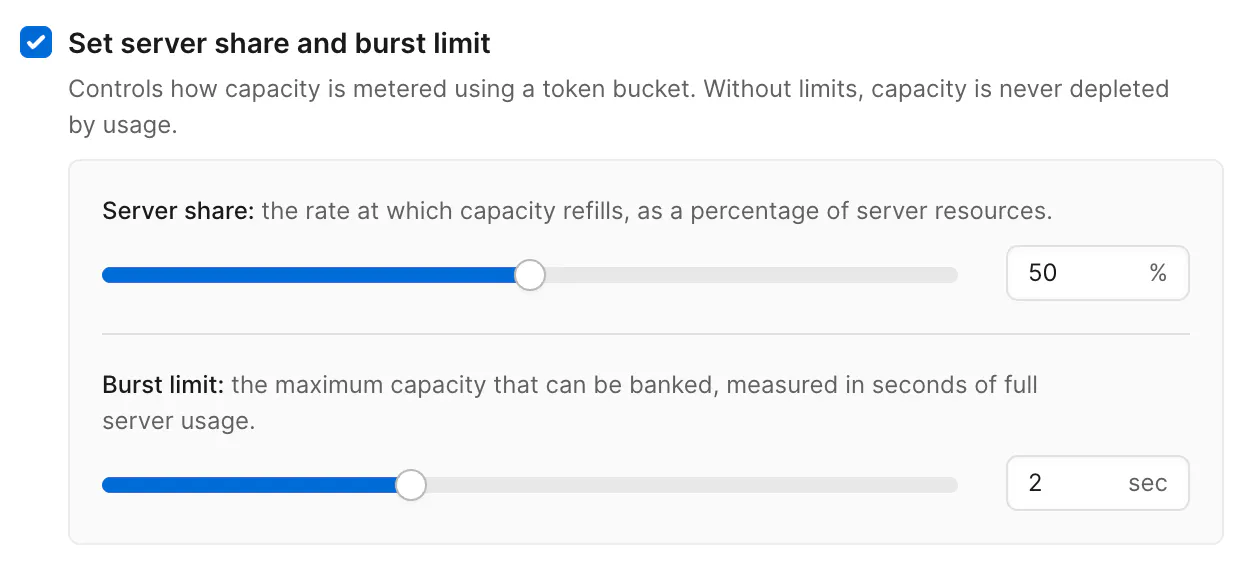
Admission controls in software determine what does or doesn't happen next, and the most common implementation has ancient roots.
8 min read
Company engineering blog
Posts about the PlanetScale platform, MySQL, PostgreSQL, databases, and more.
20 posts in the last 90 days · newest 7 Oct
Simeon Griggs
Admission controls in software determine what does or doesn't happen next, and the most common implementation has ancient roots.
Etienne Berube
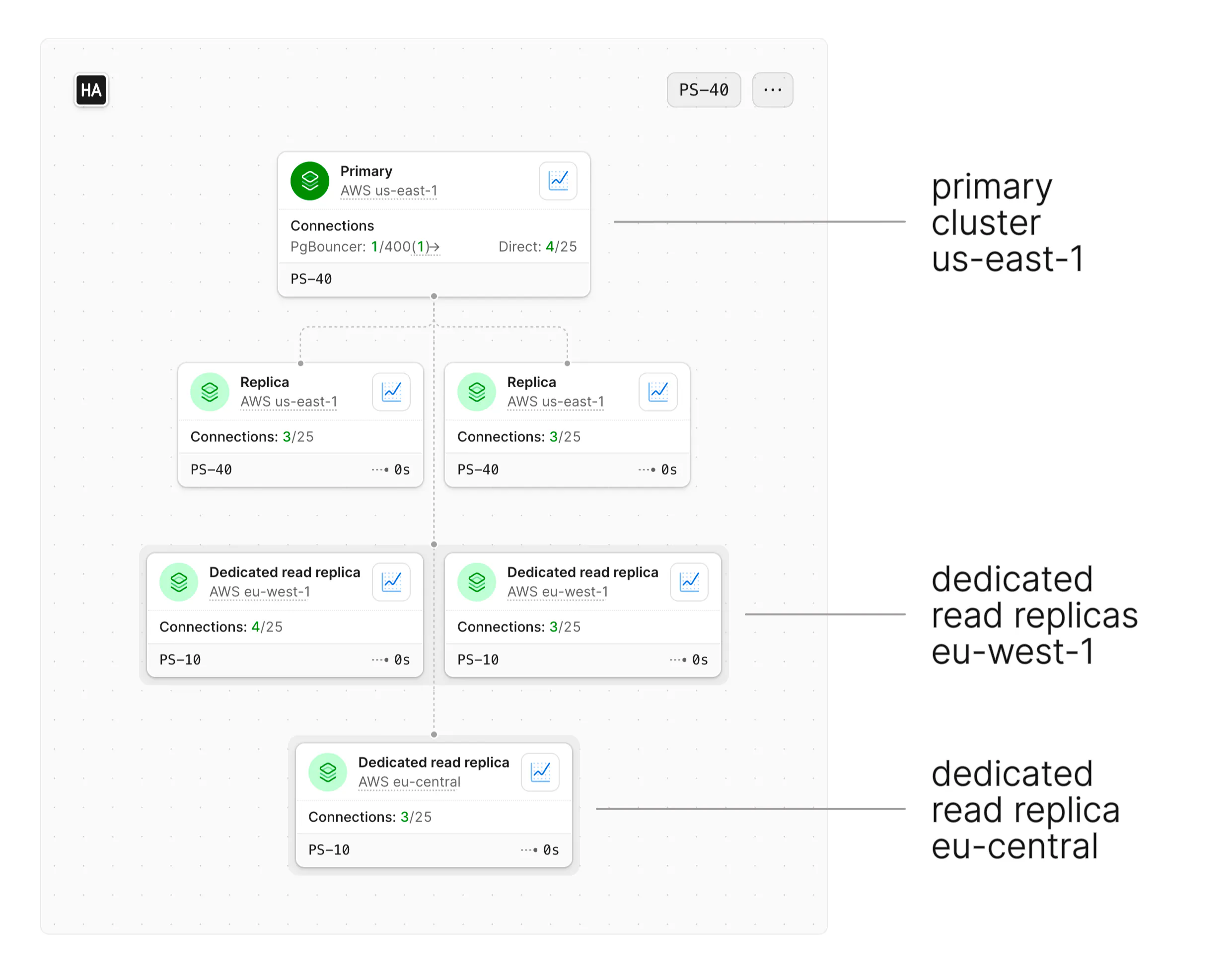
Use dedicated read replicas to isolate read-only workloads and distribute your data across data centers around the world.
Dirkjan Bussink
How Neki only decodes the parts of a PostgreSQL result the router actually needs.
Simeon Griggs
What makes a good sharding strategy today might not work so well tomorrow. What happens when you have one tenant hitting your database orders of magnitude more than any other? Or product managers knocking down your door with new requirements? If you're already on Neki…
Ahmed Darwich
ARM and x86 can give you different performance at the same vCPU count. Here's what differs, what to measure, and how to choose.

Patrick Reynolds
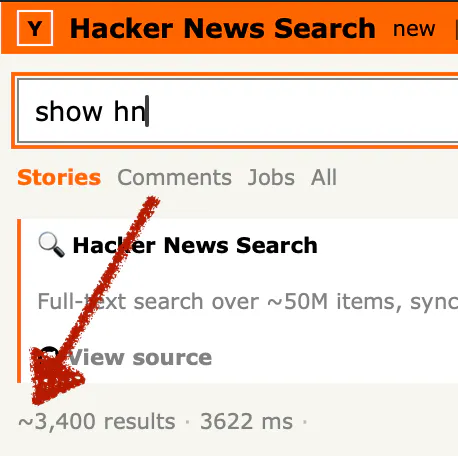
A good Postgres search demo was doing the rounds online. Let's see what happens when we upgrade it to TIN.
Patrick Reynolds
How a full-text search engine works, and how it works in Postgres
Simeon Griggs
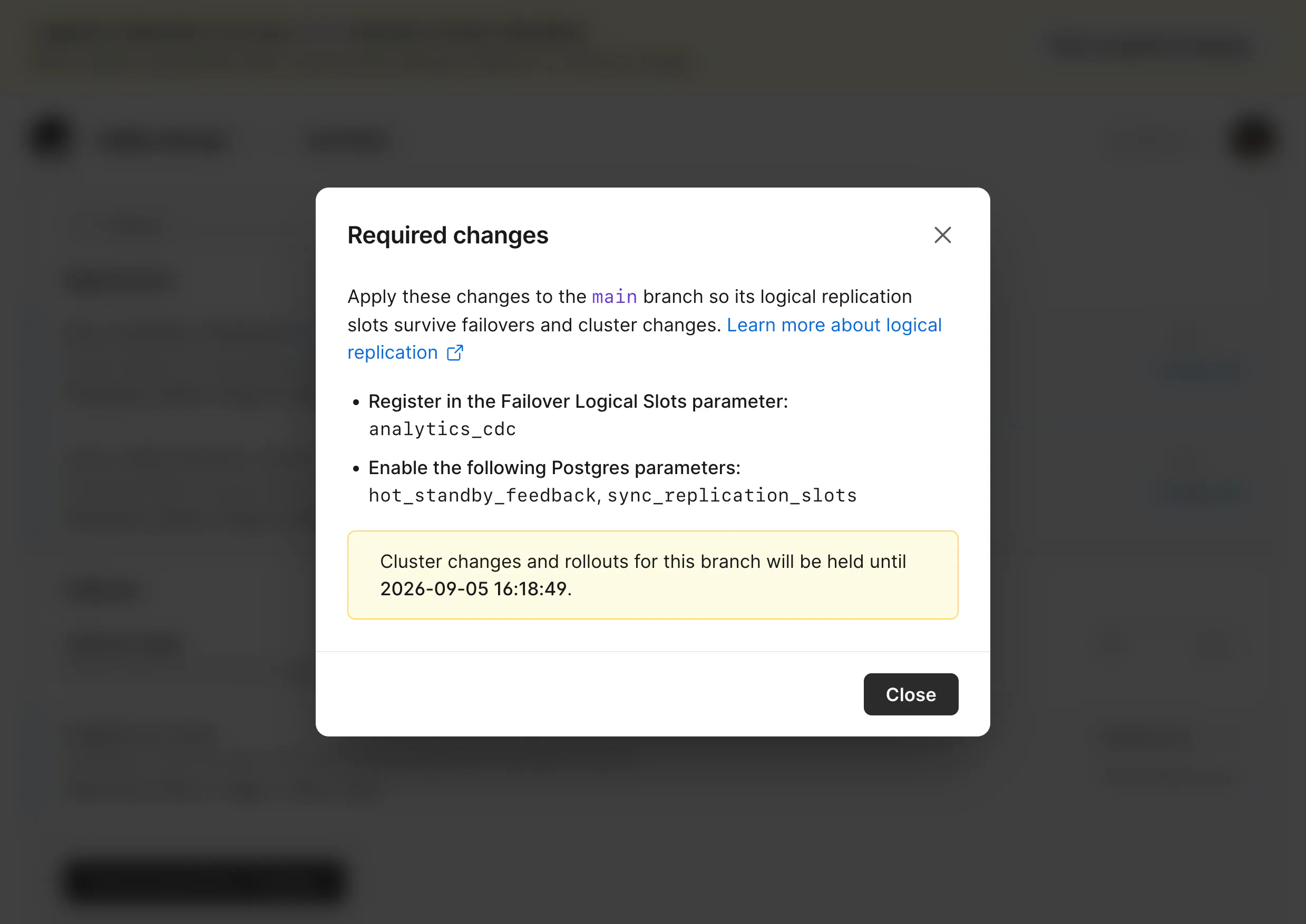
Postgres understands high-availability architecture, but its defaults assume you don't have replication slots. This can get you into trouble in a cutover event. The combination of what Postgres can do and what PlanetScale lets you do is what keeps connected applications safe.

Patrick Reynolds
Lead is a feature-equivalent version of TIN you can run in CI
Eric Ridge
TIN is a fast, full-featured, full-text search index for Postgres
Florent Poinsard
We ran a massive, sharded Postgres database at 118.5 million queries per second, with 200k queries per second on each shard across 512 shards.

Nick Van Wiggeren
Neki, sharded Postgres by PlanetScale, is now available in platform preview.
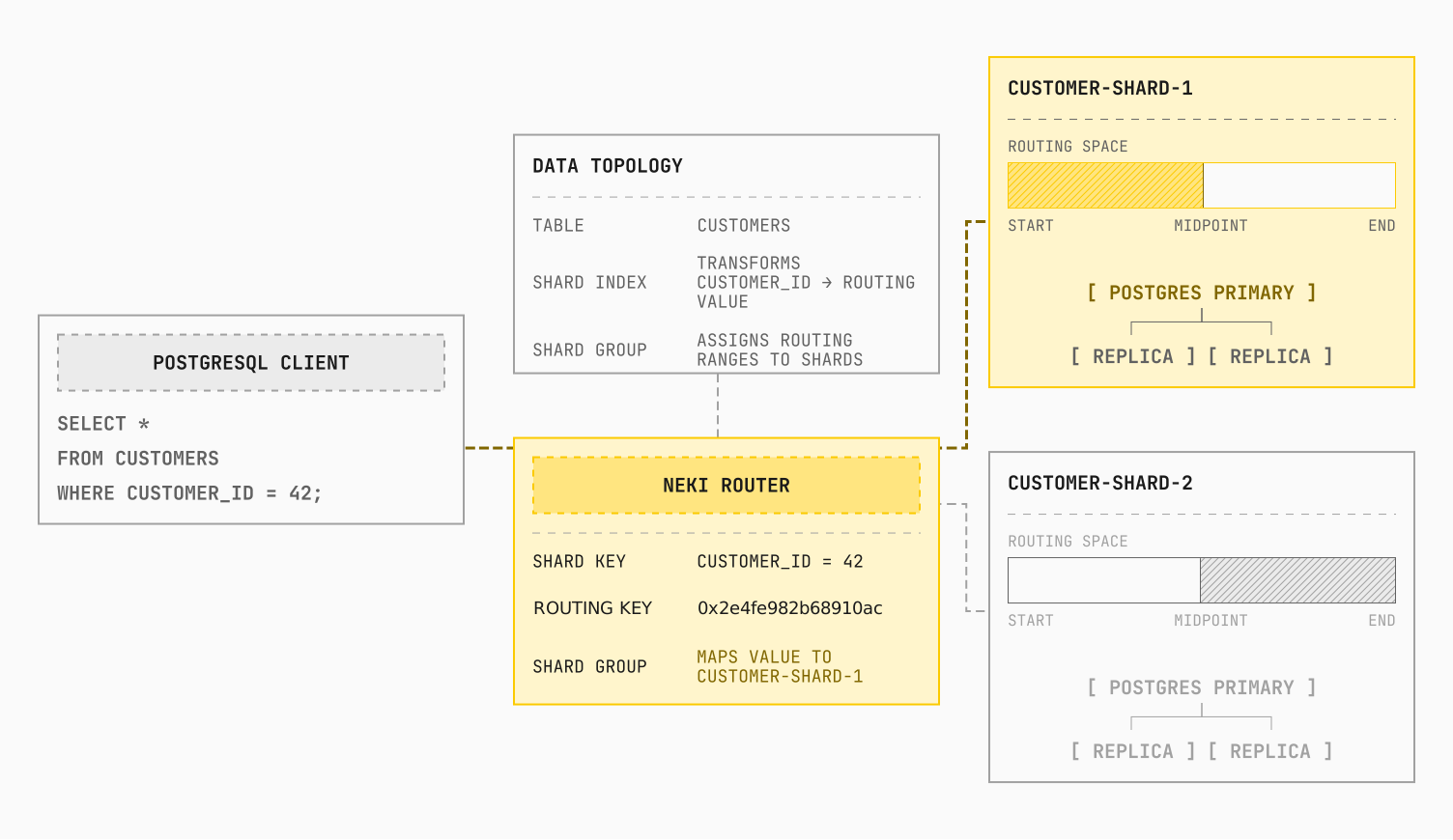
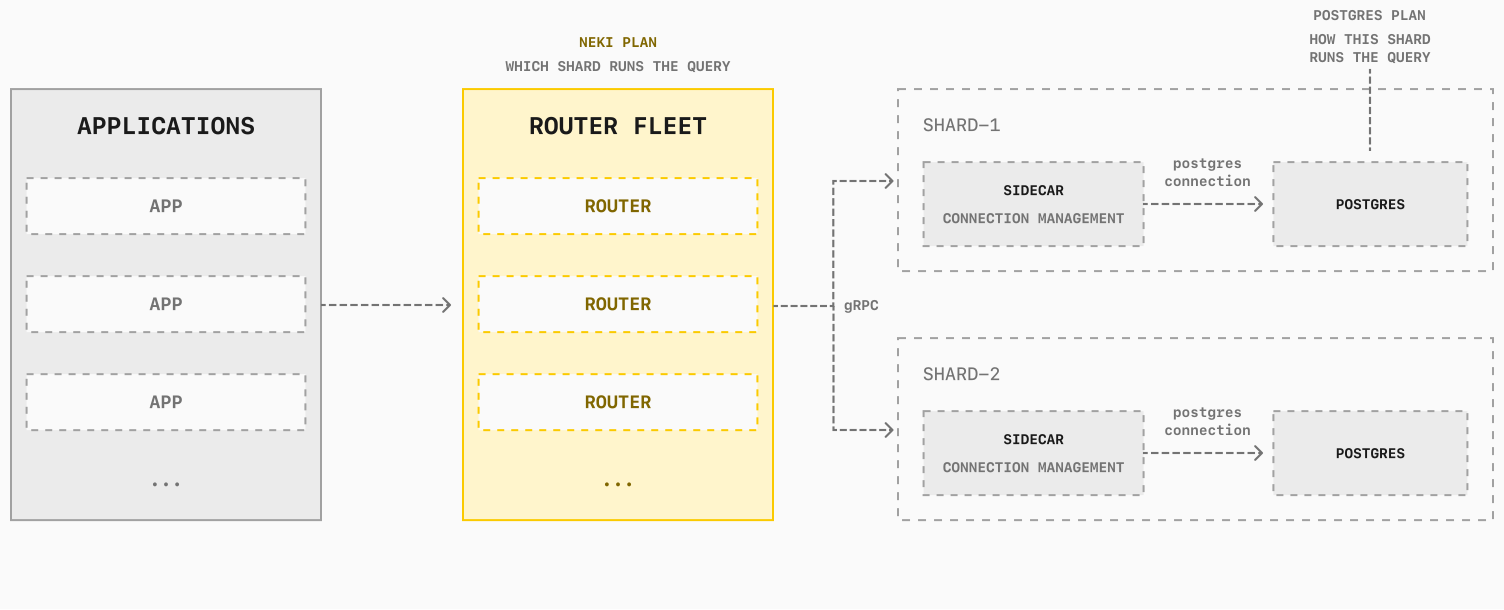
Follow a SQL query through the router, across four Postgres shards, and back.
Andres Taylor
A Neki router gives applications a Postgres connection to one database while planning and coordinating queries across the shards behind it.
Simeon Griggs
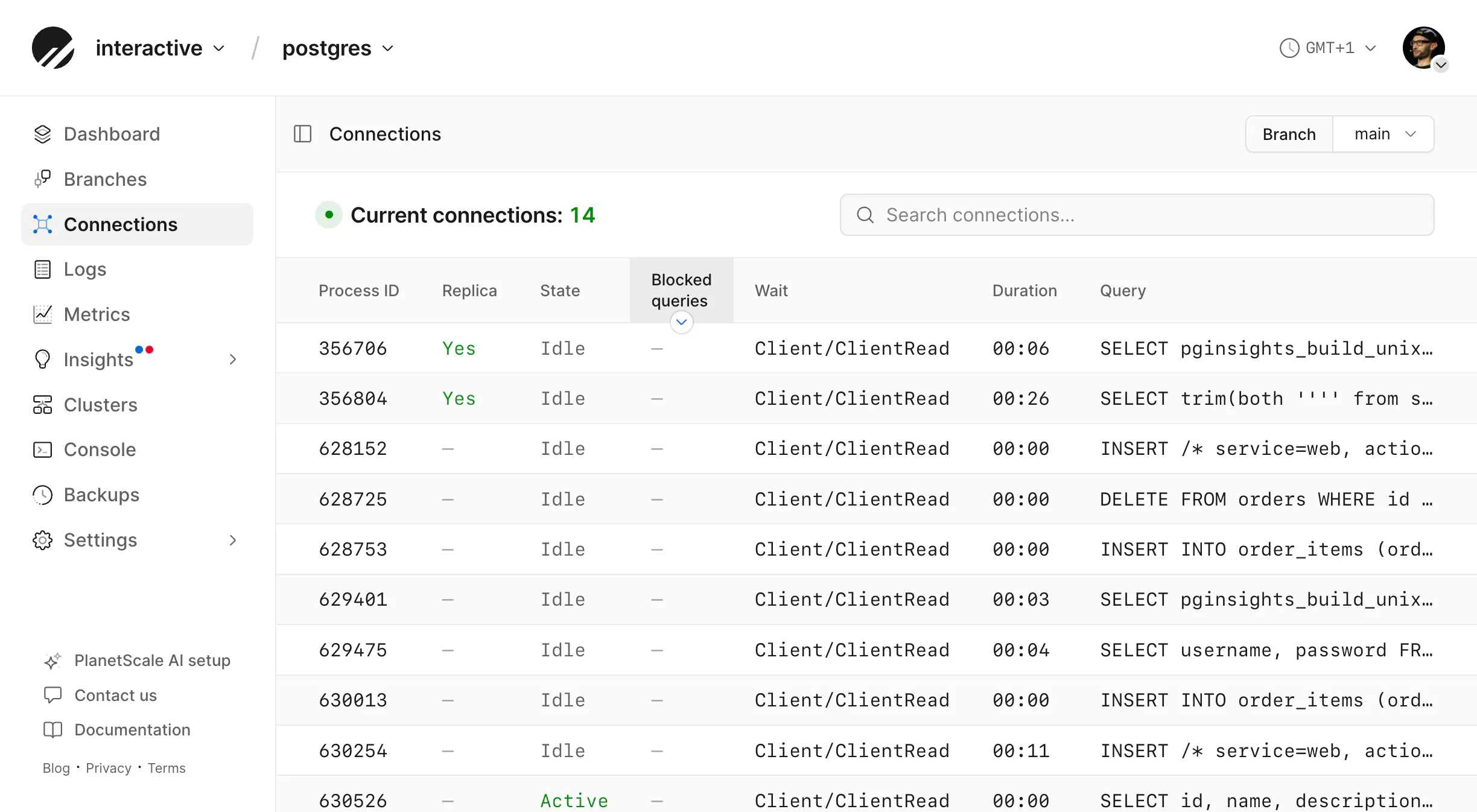
Unblock stuck connections with live connection management in the PlanetScale CLI and dashboard
Simeon Griggs
Postgres presents pretty predictable performance problems when dealing with large tables. Sharding solves this.
Josh Brown
Why has it taken so long to get good Postgres sharding? The last 20 years are the answer.

Josh Brown
An engineer's worst nightmare is waking up to a seemingly read-only database with no clear issue in sight. Let's dig into why this happens, and how AI can help solve it.

Harshit Gangal
A data topology describes the sharding scheme a Neki router uses to map logical PostgreSQL tables to physical shards and route queries.