Skip to content
← All sources

Martin Fowler

Blog by Martin Fowler

Master feed of news and updates from martinfowler.com

20 posts in the last 90 days · newest 5 Oct

Fragments: October 4

In response to my last fragments (probably the bit about us worrying if LLMs have consciousness when we when we should be wondering why they don’t have a conscience) “Metalanguage” replied: we shipped the id and forgot the superego. classic software lifecycle. I don’t know what…

7 min read
Principles for effective slides

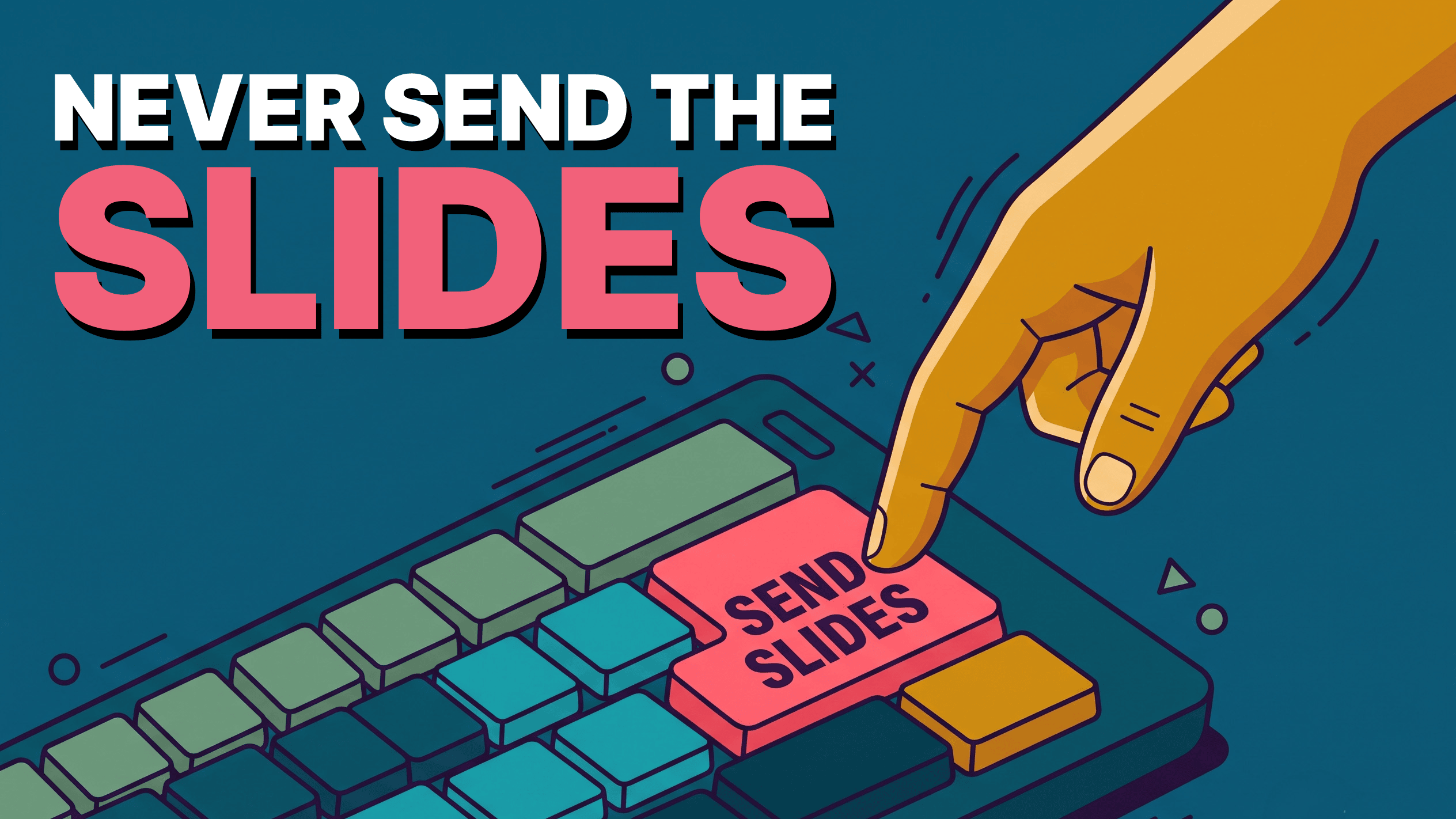
Not every presentation needs slides, but when they earn their place, they work as a visual channel that complements the speaker rather than replacing them. Sumeet Gayathri Moghe sets out the principles that follow from that idea — control over the rate of knowledge exposition…

Bliki: Sensible Default

A Sensible Default is a practice that, absent some overriding context, should be used when carrying out a certain kind of task. In software development such sensible defaults might include things like “use version control”, “separate UI logic from domain logic”, “automate…

2 min read

Fragments: September 29

Simon Willison: The more time I spend working with coding agents, the more convinced I am that they make software engineering even harder We can do amazing things with them, but unlocking their full potential requires extraordinary discipline and knowledge This has been a…

4 min read

Fragments: September 24

Rob Bowley is “flipping tables in his head” with anger at the current media coverage of the danger of AI killing us all The risk I’m worried about isn’t a future machine deciding to wipe us out. It’s today’s AI, being wired into everything, carelessly and fast. Cyber attacks…

4 min read

Healthy Feedback

Human collaboration, like most things, improves with feedback. But it's not obvious how to make feedback effective. Anuja Karnik and Sumeet Gayathri Moghe pass on a bevy of tips for healthy feedback, based on the principle that both praise and criticism should be seen as…

I don't like LLMs

I have a lot of mixed feelings about AI and LLM technology. I’m fascinated by its effect on our profession, excited by the potential gains in productivity - and thus the products we could rapidly build. On the other hand, I’m fearful of the damage AI might cause: agent swarms…

2 min read

Fragments: September 16

Reports of agentic hacking continue, in this case it happened back in May and it seems OpenAI did not disclose that they were responsible. Simon Willison sees two options: After the Hugging Face and Wiki attacks OpenAI were still unable to review their previous logs and…

3 min read

Nail the Narrative

Sumeet Gayathri Moghe finds many folks building presentations get tangled in building slides without a coherent narrative. He advises distilling the big idea, visualizing the audience, and building a structured storyline. more…

Social Media Engagement: summer 2026

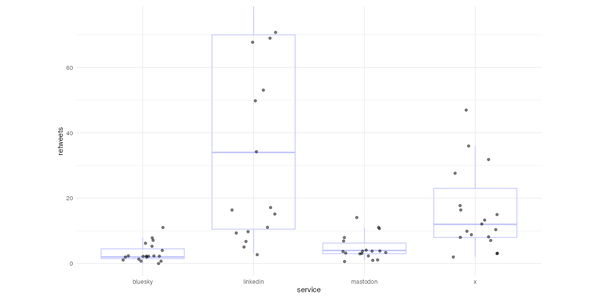
A quick survey of recent engagement of my posts on social media, indicating which service has by far the most engagement, and which service has seen a precipitous decline since early 2025. more…

Fragments: September 8

Christian Catalini says we’re in a situation where we are vastly reducing the cost of generating things, but not the cost of verifying them:. This explains why the first major AI products appeared in chat, image generation, and code assistance. Not because these were the hardest…

9 min read

Do you even need a presentation?

Like me, Sumeet Gayathri Moghe is tired of poor presentations with bad slide decks. He's started to write a series of posts on how to avoid these calamities, beginning with a post that questions whether a presentation is needed at all. more…

Bliki: Paracelsus Maxim

The difference between a medicine and a poison is dosage. Often we talk about certain habits, in programming or life, are good or bad. But few things are simple binaries. Some vary with context: reading a book is a good thing sitting in my garden, but not while driving my car…

An Accidental Blackboard

Giles Edwards-Alexander reports that during an experiment to see how productive a team could be using fully agentic engineering practices, the team accidentally prompted the agents into creating a blackboard coordination system inside the git repository. more…

Rachel Laycock

Maybe We Shouldn't Be Reviewing All This Code

TL;DR Or, perhaps the problem isn't that AI has broken code review, maybe it’s that we've been using code review to solve the wrong problems I was on a panel recently with Brian Houck from DX at Code Remix, hosted by Moderne. It was one of the more interesting panels I’ve done…

5 min read

Fragments: September 1

Like many readers, I’m wary of AI generated prose. Simon Wilison has written an LLM cliché highlighter - paste in some text, or a URL, and it will flag various patterns common to LLMs. It references a wikipedia page of signs of AI writing. That page points out that: Humans are…

5 min read

Making Your Data Ready for Agentic AI

Lots of organizations are excited about what AI can do to streamline their processes, save money, and juice margins. But AI's capabilities are founded on the data that AI accesses, and for many organizations that foundation is little more than sand. Pramod Sadalage and Prem…

Fragments: August 24

I was listening to Ezra Klein’s interview with Helen Toner about the recent OpenAI hack of Hugging Face and the subsequent discovery that there were swarms of agents inside OpenAI doing unsanctioned activities. One of the points Klein made was that at no point did any of these…

5 min read

Rachel Laycock

Citizens Build, Agents Execute, Experts Govern

TL;DR Why building an app over the weekend isn't the same as building enterprise software I’ve noticed an interesting gap opening up over the last six months. It isn’t really a gap in technology. It’s a gap in what different people think software engineering actually is. The…

5 min read

Practitioner Voice: The Writing Category Nobody has Named Yet

Jim Highsmith recognizes that effective writing from a practitioner is a style distinct from academic writing or thought-leadership content. It's a style that I advocate, and my contributors mostly follow. Jim decided it was important to give it a name, and identify what makes…