Skip to content
← All sources

Grab Tech

Company engineering blog

Grab's Engineering team solves critical transportation challenges and makes transport freedom a reality for 620 million people in Southeast Asia.

10 posts in the last 90 days · newest 6 Oct

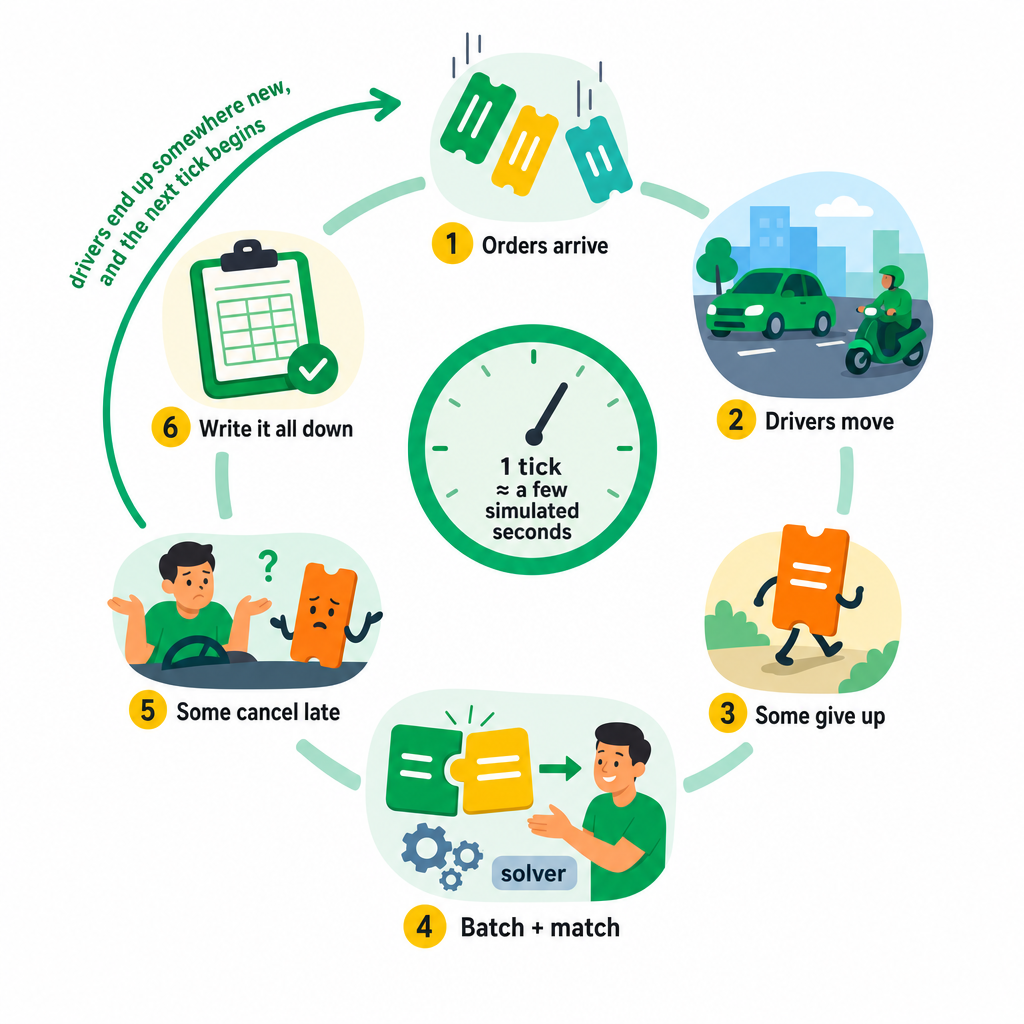
Powering AI-led research through simulation

The short story Consider a Friday evening. A food order arrives from a mall in the city center. One driver is nearby; another is finishing a drop-off and will be available shortly; a second order from the same mall may or may not appear in the next two minutes. Dispatch the…

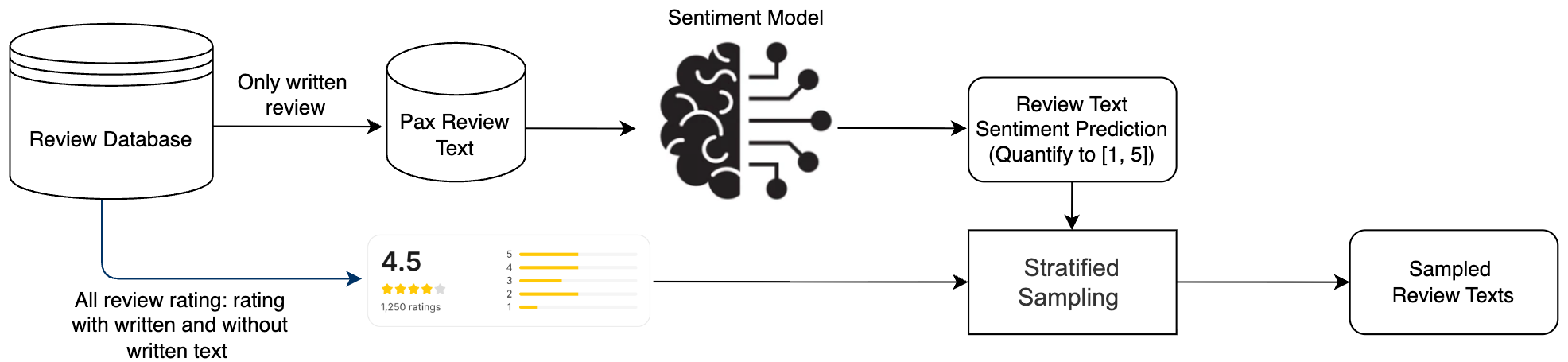
Automated merchant review summary system with integrated feedback

Introduction Merchant reviews contain useful details about food quality, portion size, packaging, and value. Finding these details often requires reading many comments. Aggregate ratings simplify comparisons, but they do not explain what shaped each score. We built the Automated…

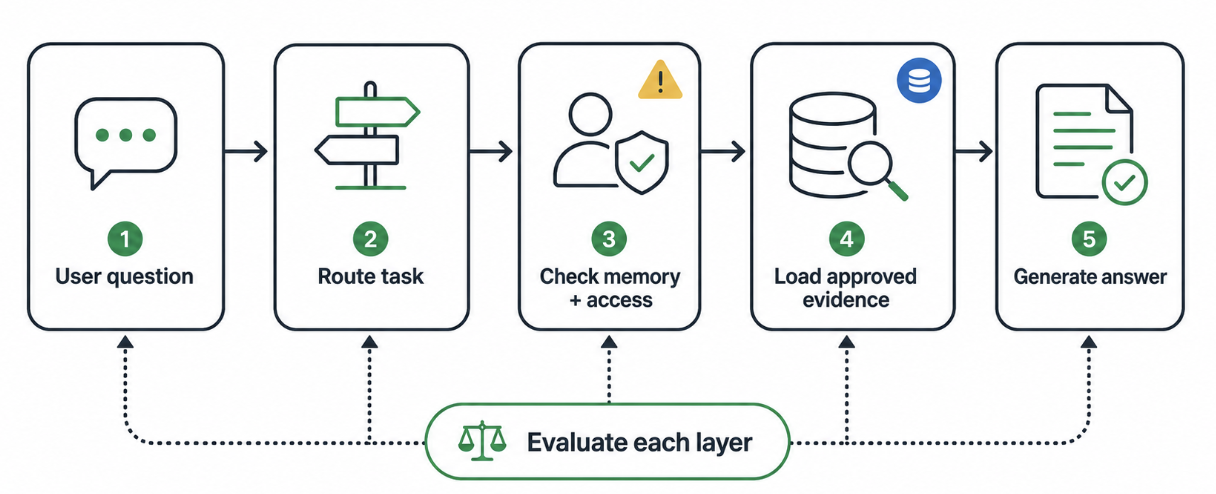
Building Jarvis Pro: Route first, answer later

Introduction The first Jarvis Pro prototype could produce answers that sounded right. That was the problem. One early answer looked polished: it named the merchant, summarized the week, and recommended pushing promotions before the next review. It was also wrong. The merchant’s…

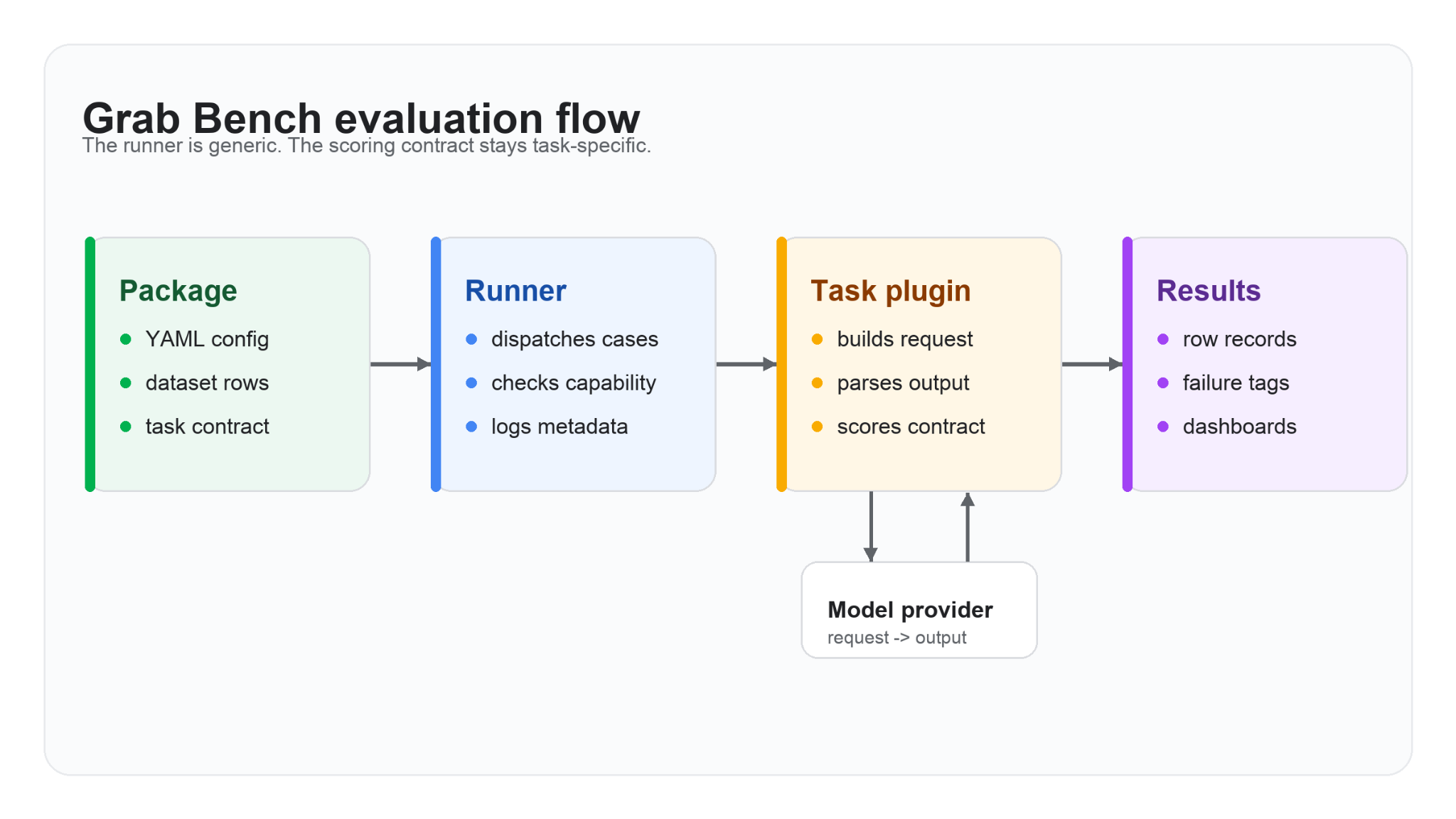
Grab Bench: Evaluating AI on Grab-shaped production work

Introduction What worried us wasn’t the hallucination, it was the subtle plausibility. Answers an engineer could easily read past and accept: a right-looking Structured Query Language (SQL) query, a plausible tool call, an innocent profile update, or a patch that satisfied the…

How AI is transforming analytics at Grab

Introduction At Grab, analytics sits close to almost every decision that matters. Our north star is the democratisation of intelligence, ensuring that anyone making a business call has immediate access to trustworthy answers. Over the last two years, model capability has crossed…

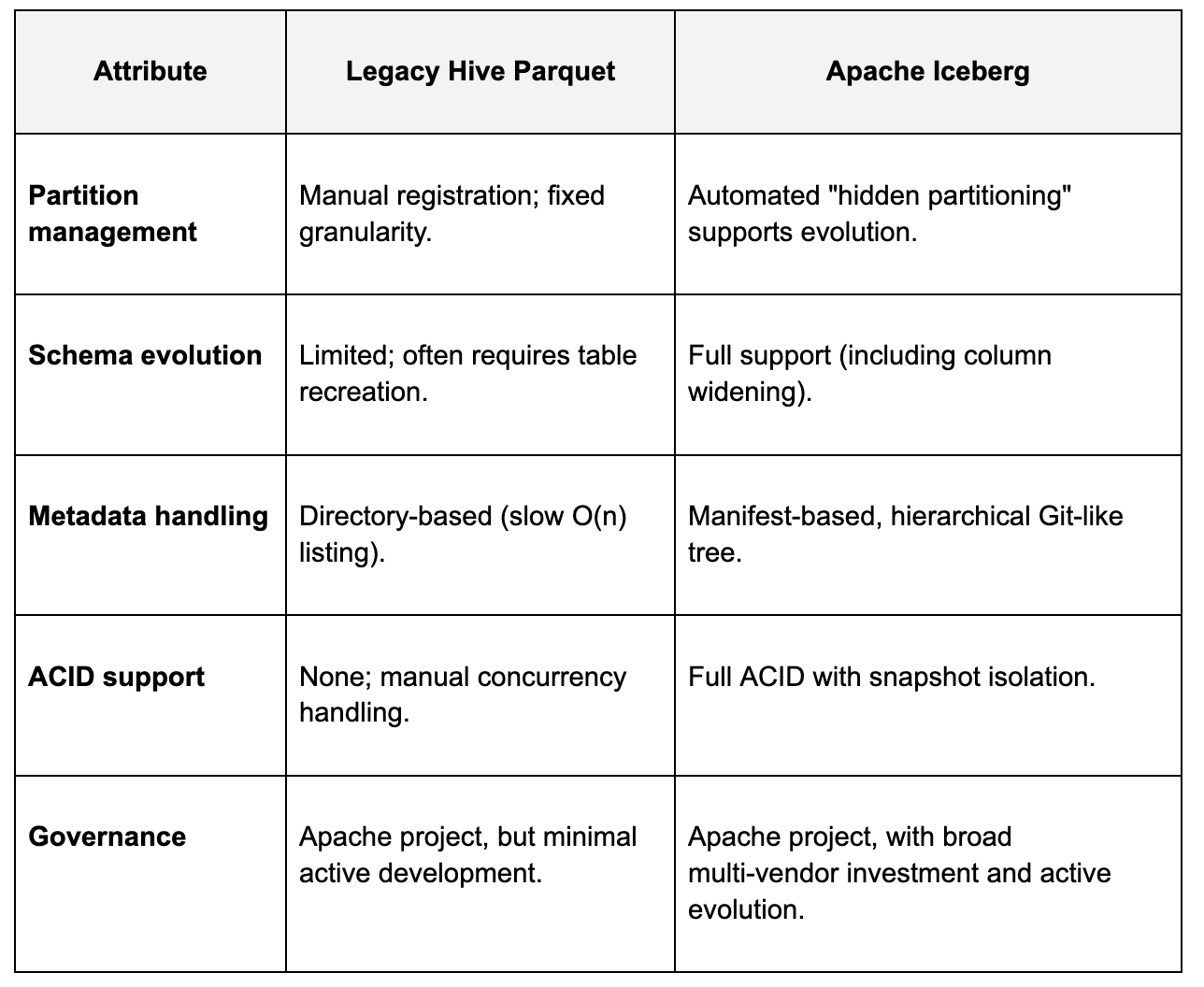
Scaling Grab's Data Lake: Our journey to Apache Iceberg adoption

Introduction: The evolution of Grab’s Data Lake At Grab’s scale, managing petabytes of data across billions of S3 objects demands more than a storage layer. It demands a robust architectural primitive that supports the high-concurrency needs of a modern “Lakehouse.” Our goal is…